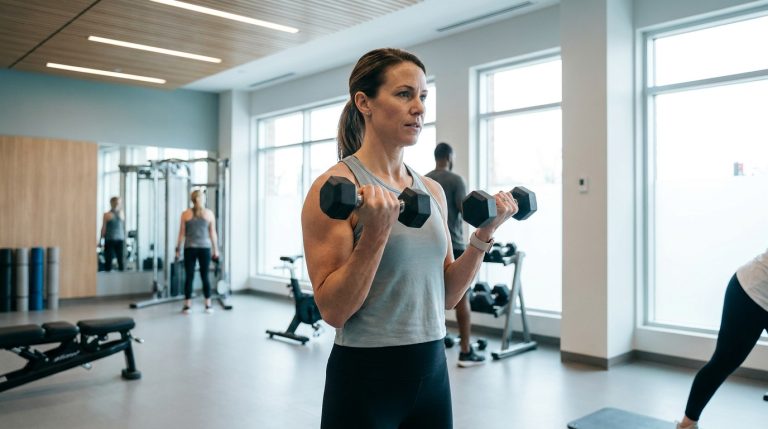
For decades, body weight has been the primary measurement used to judge health. People weigh themselves every morning. Physicians record body weight at every office visit. Commercial weight-loss programs celebrate pounds lost.
Unfortunately, body weight alone tells us remarkably little about what is actually happening inside the body.
Imagine two individuals who both weigh 190 pounds. One has excellent cardiovascular fitness, high lean muscle mass, low visceral fat, normal blood pressure, and healthy insulin sensitivity. The other has reduced muscle mass, significant visceral fat, insulin resistance, fatty liver disease, and elevated blood pressure. Despite weighing exactly the same, these two individuals have dramatically different health risks.
This is why modern obesity medicine, sports medicine, endocrinology, and longevity medicine increasingly focus on body composition rather than body weight alone. At LiteWell, our goal is not simply helping patients become lighter — our goal is helping patients become metabolically healthier.
Key Takeaways
- Body composition describes what your body is made of — not simply how much it weighs.
- Lean muscle, visceral fat, bone mass, and total body fat all influence long-term health.
- Losing muscle during weight loss may worsen metabolic health despite a lower body weight.
- Preserving muscle while reducing visceral fat is one of the primary goals of healthy aging.
- Physician-supervised medical weight loss focuses on improving body composition rather than simply lowering the number on the scale.
Table of Contents
- What Is Body Composition?
- Why Body Weight Can Be Misleading
- Lean Muscle: The Foundation of Metabolic Health
- Body Fat: Not All Fat Is the Same
- Visceral Fat vs. Subcutaneous Fat
- Why Muscle Loss Matters
- How Body Composition Is Measured
- Evidence-Based Strategies to Improve Body Composition
- Frequently Asked Questions
- LiteWell’s Clinical Perspective
- References
What Is Body Composition?
Body composition refers to the proportion of different tissues that make up the human body. Major components include:
- Skeletal muscle
- Body fat
- Bone
- Organs
- Body water
Unlike body weight, body composition provides information about what is contributing to that weight. Two individuals with identical body weight may have profoundly different proportions of muscle and fat — and those differences often influence metabolic health, physical function, athletic performance, cardiovascular risk, and healthy aging.
Why Body Weight Can Be Misleading
Body weight changes every day. Normal fluctuations may result from hydration, sodium intake, glycogen storage, digestive contents, the menstrual cycle, or recent exercise. A five-pound increase over two days rarely represents five pounds of body fat. Likewise, rapid weight loss during the first week of a diet often reflects water and glycogen loss rather than significant fat reduction.
The scale cannot distinguish between:
- Fat loss
- Muscle gain
- Water changes
- Bone mass
- Organ weight
For this reason, relying exclusively on body weight may produce misleading conclusions about health progress.
Lean Muscle: The Foundation of Metabolic Health
Muscle is often viewed simply as tissue that produces movement. In reality, skeletal muscle is one of the body’s largest and most metabolically active organs. Healthy muscle contributes to blood sugar regulation, insulin sensitivity, balance, physical strength, bone health, metabolic rate, functional independence, and recovery from illness.
Increasing evidence suggests that preserving muscle may be one of the strongest predictors of healthy aging.
Muscle Is the Body’s Largest Glucose Sink
Following a meal, skeletal muscle absorbs large amounts of glucose from the bloodstream. This process improves insulin sensitivity and reduces the amount of insulin required to maintain normal blood sugar. When muscle mass declines, glucose disposal becomes less efficient, insulin resistance may worsen, and metabolic flexibility decreases. This helps explain why resistance training plays such a central role in metabolic medicine.
Sarcopenia: Age-Related Muscle Loss
Beginning around the fourth decade of life, adults gradually lose muscle unless steps are taken to preserve it. This process — called sarcopenia — accelerates with aging. Consequences include reduced strength, increased fall risk, frailty, loss of independence, reduced metabolic health, and slower recovery after illness.
Fortunately, sarcopenia is not inevitable. Resistance training and adequate protein intake remain the most effective evidence-supported interventions for preserving muscle throughout adulthood.
Body Fat: Not All Fat Is the Same
Body fat is often portrayed as inherently harmful. In reality, fat tissue serves many important physiological functions — providing energy reserves, supporting hormone production, regulating temperature, protecting organs, and facilitating cellular signaling. Problems arise when excess fat accumulates, particularly around internal organs.
Subcutaneous Fat
Subcutaneous fat lies beneath the skin. It provides insulation and energy storage and is generally less metabolically harmful than other fat depots.
Visceral Fat
Visceral fat surrounds internal organs within the abdominal cavity. Unlike subcutaneous fat, visceral fat is highly metabolically active and strongly associated with:
- Insulin resistance
- Metabolic syndrome
- Type 2 diabetes
- Fatty liver disease
- Cardiovascular disease
- Chronic inflammation
Reducing visceral fat — not simply total body weight — is therefore one of the primary goals of physician-supervised metabolic care.
Why BMI Has Important Limitations
Body Mass Index (BMI) has been widely used for decades because it is simple and inexpensive. However, BMI measures only height and weight — it provides no information regarding muscle mass, body fat percentage, visceral fat, bone density, or athletic conditioning.
As a result, a muscular athlete may have an elevated BMI despite excellent health, while an older adult with low muscle mass and excess visceral fat may have a “normal” BMI despite significant metabolic risk. BMI remains a useful screening tool but should never be interpreted in isolation.
Why Muscle Loss Matters
Many commercial programs celebrate rapid weight loss. Unfortunately, rapid weight loss often includes water, glycogen, lean muscle, and fat. Losing substantial muscle while dieting may reduce metabolic rate, increase frailty, worsen insulin sensitivity, and make long-term weight maintenance more difficult.
Healthy body composition emphasizes fat loss, muscle preservation, and improved physical function — rather than rapid reductions on the scale.
The New Goal: Body Recomposition
Increasingly, physicians discuss body recomposition rather than simple weight loss. Body recomposition refers to reducing body fat, preserving or increasing lean muscle, improving metabolic health, and enhancing physical function. A patient may lose only five pounds while dramatically improving health if visceral fat decreases and muscle mass increases — illustrating why progress cannot always be measured by body weight alone.
How Body Composition Is Measured
Because body weight alone provides limited information, several methods have been developed to estimate body composition. The goal is selecting tools that provide useful information for long-term clinical decision-making.
DEXA (Dual-Energy X-Ray Absorptiometry)
DEXA scanning is widely considered one of the most useful clinical methods for evaluating body composition. Although originally developed to measure bone density, modern DEXA technology also estimates total body fat percentage, lean muscle mass, regional fat distribution, bone mineral density, appendicular lean mass, and visceral fat.
At LiteWell, DEXA may be recommended for selected patients as part of a comprehensive evaluation and longitudinal monitoring program. Rather than performing one scan, repeat assessments over time can demonstrate meaningful changes in muscle preservation, fat loss, and overall body composition.
Bioelectrical Impedance Analysis (BIA)
Bioelectrical impedance devices estimate body composition by measuring the body’s resistance to a small electrical current. Many home scales now estimate body fat percentage, muscle mass, water percentage, and basal metabolic rate. These measurements can be useful for following trends over time, though results may vary depending on hydration, recent exercise, food intake, and time of day.
Waist Circumference
One of the simplest — and surprisingly valuable — measurements is waist circumference. Unlike body weight, waist circumference reflects abdominal fat accumulation that correlates more closely with visceral fat and cardiometabolic risk. Increasing waist circumference has been associated with higher risk of insulin resistance, type 2 diabetes, hypertension, fatty liver disease, and cardiovascular disease.
CT and MRI
Computed tomography (CT) and magnetic resonance imaging (MRI) provide highly accurate assessment of visceral fat and are commonly used in research. However, they are generally not performed solely to measure body composition due to cost, limited availability, and radiation exposure with CT.
Skinfold Measurements
Skinfold calipers estimate subcutaneous fat thickness at several anatomical locations. Although useful in experienced hands, today skinfold testing is less commonly used in routine medical practice than DEXA or bioimpedance.
The “Skinny Fat” Phenomenon
One of the most misunderstood body composition concepts is sometimes called normal-weight obesity, or colloquially, “skinny fat.” These individuals may have normal body weight and BMI, yet carry reduced lean muscle, increased visceral fat, poor insulin sensitivity, and low physical fitness. Externally, they appear healthy — metabolically, they may carry increased risk for prediabetes, type 2 diabetes, cardiovascular disease, and fatty liver disease.
Evidence-Based Strategies to Improve Body Composition
Hormones Shape Body Composition
Body composition reflects much more than nutrition and exercise. Several hormones strongly influence how the body stores fat and maintains muscle.
Insulin
Insulin regulates glucose storage, fat storage, and energy utilization. Persistently elevated insulin levels often promote increased fat storage, visceral fat accumulation, difficulty accessing stored fat, and progressive insulin resistance. Improving insulin sensitivity is therefore central to improving body composition.
Testosterone
Testosterone supports lean muscle mass, strength, protein synthesis, and physical performance. Men with clinically significant testosterone deficiency often experience reduced muscle, increased body fat, and reduced exercise capacity. Appropriately selected men may benefit from physician-supervised testosterone replacement therapy following comprehensive evaluation.
Estrogen
In women, estrogen influences fat distribution. Before menopause, fat is more commonly stored around the hips and thighs. Following menopause, declining estrogen contributes to increased visceral fat, reduced muscle, and changes in metabolic health — helping explain why many women notice increasing abdominal fat despite maintaining similar nutrition and activity levels.
Thyroid Hormones
Thyroid hormones regulate metabolic activity throughout the body. Untreated hypothyroidism may contribute to fatigue, reduced physical activity, weight gain, fluid retention, and difficulty exercising. Thyroid evaluation should always be individualized and based on symptoms and clinical findings.
GLP-1 Medications and Body Composition
GLP-1 receptor agonists have transformed obesity medicine. However, one important consideration deserves emphasis: weight loss should never come at the expense of excessive muscle loss. Without appropriate nutritional and exercise strategies, some weight loss may include lean muscle mass. At LiteWell, we emphasize preserving muscle during medical weight loss through adequate protein intake, progressive resistance training, regular physical activity, individualized nutritional counseling, and ongoing body composition assessment when appropriate.
Protein Requirements for Muscle Preservation
Protein provides the amino acids necessary for muscle maintenance and repair. Many adults — particularly older adults and individuals actively losing weight — benefit from higher protein intake than the traditional minimum dietary recommendations. Distributing protein across multiple meals may better support muscle protein synthesis. At LiteWell, protein recommendations are individualized based on body size, activity level, weight-loss goals, medical history, and renal function.
Resistance Training Is Non-Negotiable
If there is one intervention that consistently improves body composition, it is resistance training. Benefits include increased lean muscle mass, improved insulin sensitivity, higher resting energy expenditure, better balance, improved bone density, reduced fall risk, and improved functional independence. Resistance training should be viewed as a lifelong health strategy rather than a temporary exercise program.
Progressive Overload
Muscles adapt only when challenged. Progressive overload refers to gradually increasing the demands placed on muscles over time — through increasing weight, performing additional repetitions, increasing training volume, or improving exercise complexity. Progressive overload allows continued adaptation while reducing the risk of plateau.
Nutrition Alone Is Not Enough
Without resistance training, muscle loss becomes more likely, metabolic rate may decline, and functional strength may worsen. Similarly, exercise alone cannot compensate for consistently poor nutrition. Optimal body composition results from the combination of nutrition, resistance training, aerobic exercise, sleep, hormonal health when appropriate, and recovery.
Body Composition Changes Throughout Life
Body composition naturally evolves with aging. Beginning in early adulthood, many individuals gradually experience reduced muscle mass, increased visceral fat, lower metabolic rate, and reduced physical activity. The encouraging news: while aging cannot be stopped, maintaining strength, preserving muscle, reducing visceral fat, and improving metabolic health remain achievable throughout much of adulthood.
Myths vs. Facts
Myth: The lower my body weight, the healthier I am.
Fact: Health depends far more on body composition, metabolic health, cardiovascular fitness, muscle mass, and lifestyle than on body weight alone. Extremely low body weight accompanied by muscle loss may actually worsen health.
Myth: BMI accurately measures health.
Fact: BMI is a useful screening tool but cannot distinguish between muscle, fat, bone, or visceral fat. Two individuals with identical BMI values may have dramatically different metabolic health.
Myth: Rapid weight loss is always better.
Fact: Rapid weight loss frequently includes loss of lean muscle and body water in addition to fat. Sustainable weight loss that preserves muscle is generally associated with better long-term outcomes.
Myth: Cardio is enough to improve body composition.
Fact: Aerobic exercise is valuable, but resistance training is essential for preserving muscle, improving insulin sensitivity, supporting bone health, and maintaining metabolic rate during weight loss.
Myth: Once I reach my goal weight, I can stop exercising.
Fact: Maintaining healthy body composition requires ongoing physical activity. Exercise supports muscle preservation, metabolic health, cardiovascular fitness, and healthy aging throughout life.
Myth: GLP-1 medications automatically improve body composition.
Fact: GLP-1 medications reduce body weight effectively for many patients, but preserving muscle requires adequate protein intake, resistance training, and physician-supervised nutrition. Weight loss alone does not guarantee healthy body composition.
When Should You Speak with a Physician?
Consider discussing body composition with a physician if you:
- Have difficulty losing body fat despite lifestyle changes
- Notice increasing abdominal or visceral fat
- Are losing muscle strength with age
- Experience declining physical function
- Have insulin resistance, prediabetes, or type 2 diabetes
- Are considering physician-supervised medical weight loss
- Are using — or considering — GLP-1 medications
- Have concerns about sarcopenia or healthy aging
- Want a more comprehensive understanding of your metabolic health
Body composition assessment may provide insights that body weight alone cannot.
Frequently Asked Questions About Body Composition
Q: What is body composition?
Body composition describes the proportion of muscle, fat, bone, water, and other tissues that make up the body. It provides substantially more information about health than body weight alone.
Q: Why is body composition more important than body weight?
Two people with the same body weight may have dramatically different amounts of muscle and visceral fat. Body composition more accurately reflects metabolic health, physical function, and long-term disease risk.
Q: What is visceral fat?
Visceral fat is fat stored around internal organs within the abdomen. It is metabolically active and strongly associated with insulin resistance, type 2 diabetes, cardiovascular disease, fatty liver disease, and chronic inflammation.
Q: What is the best way to measure body composition?
Several methods exist, including DEXA scanning, bioelectrical impedance analysis, waist circumference, and skinfold measurements. DEXA is generally considered one of the most informative clinical tools because it estimates lean muscle, body fat, and bone mineral density.
Q: Can I improve body composition without losing much weight?
Yes. Many people gain lean muscle while losing fat. The scale may change very little even though metabolic health, strength, and body composition improve substantially.
Q: Why does LiteWell emphasize muscle preservation?
Muscle supports insulin sensitivity, healthy aging, mobility, balance, metabolic health, and long-term independence. Preserving muscle is particularly important during medical weight-loss treatment.
Q: Can GLP-1 medications cause muscle loss?
Any significant weight-loss intervention—including GLP-1 therapy—may result in some loss of lean body mass. Resistance training, adequate protein intake, and physician-guided treatment help reduce this risk and support healthier body composition.
Q: Is BMI still useful?
BMI remains a useful screening tool at the population level, but it has important limitations. It should be interpreted alongside body composition, waist circumference, metabolic health, and physical function.
Q: Does protein help preserve muscle?
Yes. Adequate dietary protein supplies the amino acids needed for muscle maintenance and repair. Protein works best when combined with regular resistance training and appropriate calorie intake.
Q: How often should body composition be measured?
The optimal frequency depends on individual goals and the measurement method. During physician-supervised weight-loss or longevity programs, periodic reassessment may help monitor fat loss, muscle preservation, and treatment effectiveness over time.
Q: Is strength more important than appearance?
From a medical perspective, yes. Maintaining strength supports balance, mobility, independence, metabolic health, and quality of life. Improvements in physical function often provide greater long-term health benefits than cosmetic changes alone.
Q: What is the first step at LiteWell?
Patients begin with a Free Medical Fit Call to determine whether LiteWell’s physician-supervised approach aligns with their goals. Those seeking comprehensive care then complete the Premier Discovery Intake, where body composition, metabolic health, nutrition, physical activity, laboratory findings (when appropriate), and individualized treatment strategies are reviewed before developing a personalized plan.
LiteWell’s Clinical Perspective
At LiteWell, one of the first conversations we have with many patients is this: “Let’s stop chasing the scale.”
That statement often surprises people. Many have spent years — or decades — judging success by a single number. If the scale goes down, they believe they’re succeeding. If it goes up, they assume they’ve failed.
Unfortunately, human physiology is far more complex. The scale cannot tell us whether weight loss came from body fat, skeletal muscle, water, glycogen, bone, or temporary fluid shifts. Nor can it tell us whether someone is becoming metabolically healthier.
A patient who loses 20 pounds but also loses a significant amount of muscle may actually be less healthy than before. Conversely, another patient may lose only five pounds while increasing lean muscle, reducing visceral fat, improving insulin sensitivity, lowering blood pressure, normalizing laboratory values, and becoming dramatically stronger. The second patient has likely achieved far greater improvements in long-term health despite much less movement on the scale.
This is why our clinical philosophy centers on body recomposition rather than weight reduction alone. We ask different questions:
- Have you reduced visceral fat?
- Are you preserving muscle?
- Are you becoming stronger?
- Is your metabolic health improving?
- Are you sleeping better?
- Is your blood pressure improving?
- Are your laboratory markers improving?
- Are you moving through life with greater energy and confidence?
These are the outcomes that truly matter. Weight is simply one measurement within a much larger picture.
Clinical Pearls
Muscle Is Metabolic Currency. Skeletal muscle serves as one of the body’s largest regulators of blood glucose, insulin sensitivity, energy expenditure, functional independence, and healthy aging. Preserving muscle should be considered a primary therapeutic goal.
Weight Loss Should Never Be the Only Goal. Successful weight-loss programs preserve — or ideally increase — lean muscle while reducing excess fat. The quality of weight loss matters more than the quantity.
Visceral Fat Drives Disease. Reducing visceral fat improves blood pressure, blood sugar regulation, liver health, cardiovascular risk, hormonal health, and inflammation. The scale cannot measure these improvements.
Body Composition Changes Slowly. Sustainable improvements in muscle and fat distribution generally produce far greater long-term health benefits than rapid weight loss.
Strength Predicts Independence. One of the strongest predictors of healthy aging is maintaining the strength necessary to stand independently, climb stairs, carry groceries, prevent falls, and recover after illness. Strength training is an investment in future independence.
Ready to Understand Your True Metabolic Health?
At LiteWell, we go beyond the scale. Our physician-supervised approach evaluates body composition, visceral fat, muscle mass, hormonal health, and metabolic markers — giving you a complete picture of your health.
Related LiteWell Services
- Medical Weight Loss
- Longevity & Performance Medicine
- TRT for Men
- HRT for Women
- Free Medical Fit Call
- Premier Discovery Intake
- Optimize Phase
- Maintenance Phase
Related Insights
- Insulin Resistance Explained
- Visceral Fat: The Hidden Fat That Matters
- Healthy Aging and Longevity
- Medical Weight Loss vs. Commercial Diet Programs
- Low Testosterone (Low T): Symptoms, Causes, Evaluation, and Treatment
- Perimenopause vs. Menopause
- Brain Fog: Causes, Evaluation, and Evidence-Based Strategies
- Sleep, Recovery, and Long-Term Health
References
- American College of Sports Medicine (ACSM). Exercise Testing and Prescription Guidelines.
- American Diabetes Association (ADA). Standards of Care in Diabetes.
- Obesity Medicine Association (OMA). Clinical Practice Statements.
- National Institutes of Health (NIH).
- National Institute on Aging (NIA).
- International Society for Clinical Densitometry (ISCD).
- Peer-reviewed publications from The New England Journal of Medicine, JAMA, Obesity, The American Journal of Clinical Nutrition, Nature Reviews Endocrinology, and Sports Medicine.
Medical Disclaimer: This article is intended for educational purposes only and should not be interpreted as individualized medical advice. Body composition, nutrition, exercise, medications, hormone therapy, and weight-loss strategies should be individualized based on medical history, current health status, and personal goals. Results vary among individuals. LiteWell does not provide emergency medical care.